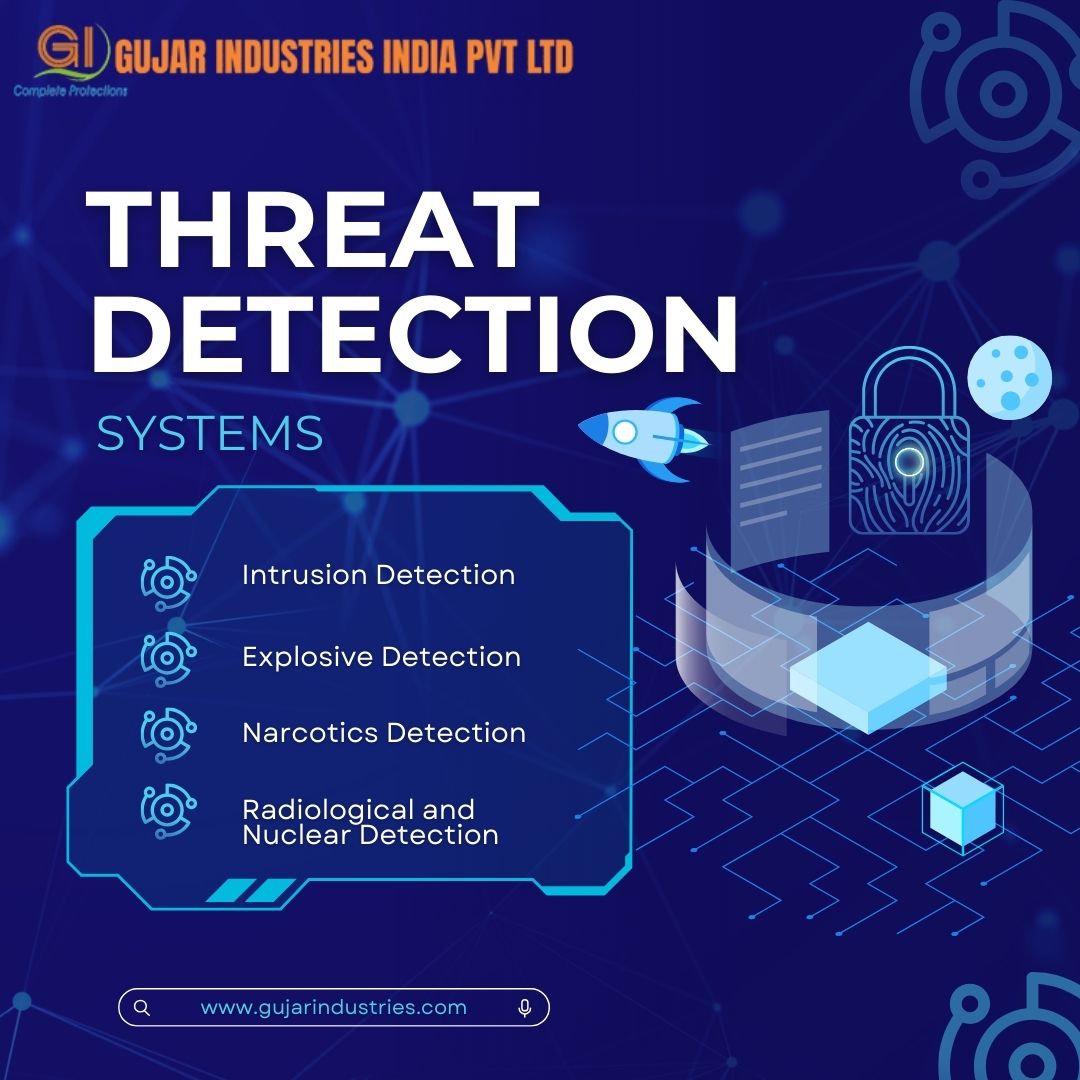
Security threats are on the rise in airports, public places, and other commercial environments. So, the need for better security monitoring systems is on the rise. Modern security monitoring systems can detect security threats before they turn into major security issues. These systems are playing a vital role in maintaining security in any environment.
Companies such as Gujar Industries are contributing to the development of better security monitoring systems for airports and other industrial environments.
What Are Threat Detection Systems?
Threat detection systems are designed to identify potential risks and threats. Their primary objective is to identify potential threats at an early stage and enable an appropriate security response.
Threat Detection in Physical and Digital Security
The term threat detection systems is used across both physical and digital security environments. In cybersecurity, threat detection and response (TDR) solutions monitor networks, devices, applications, and user activity to identify potential cyber threats. In physical security, threat detection systems are used at airports, terminals, entry checkpoints, and other controlled areas to identify potential security risks through screening and inspection.
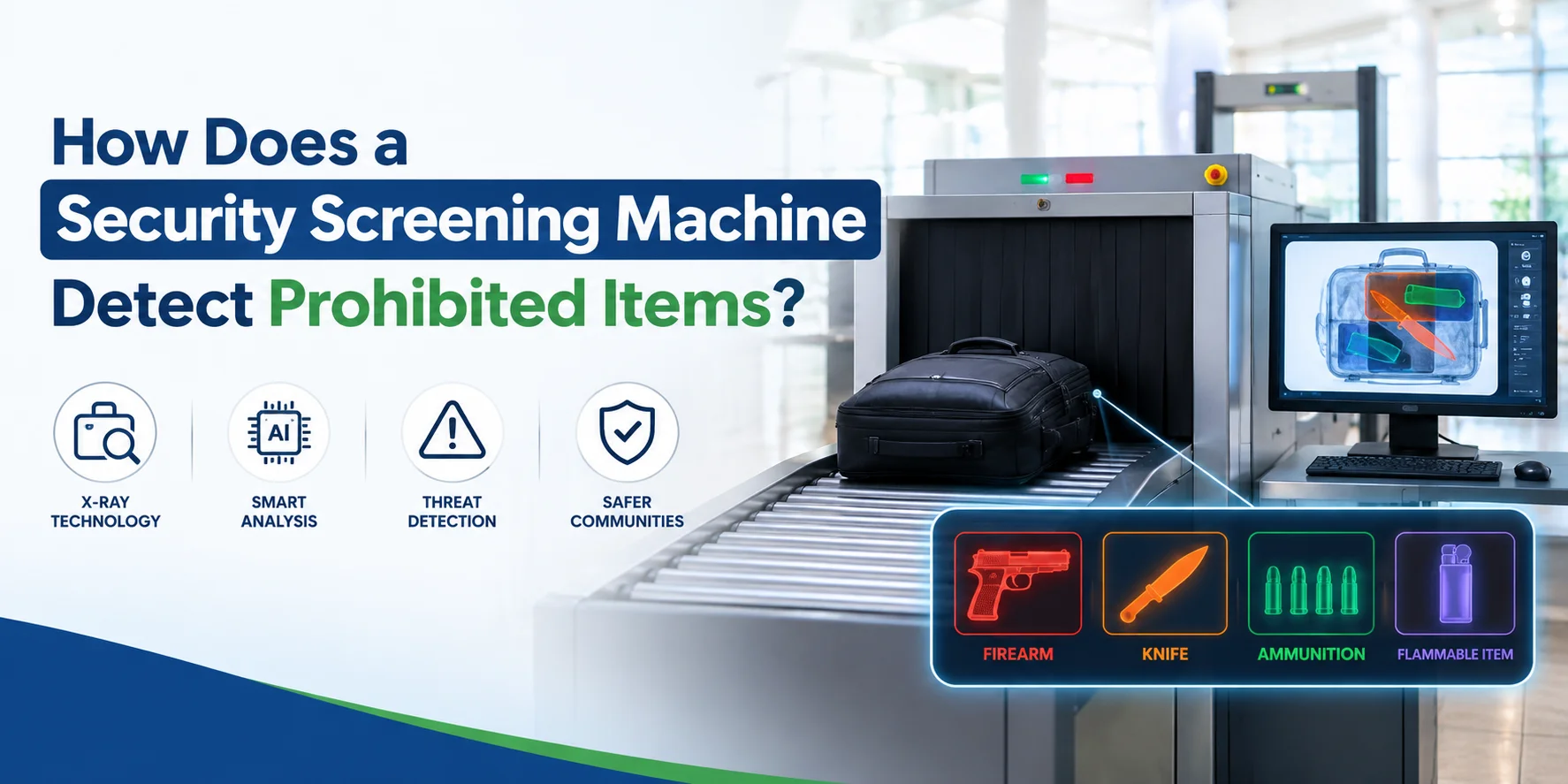
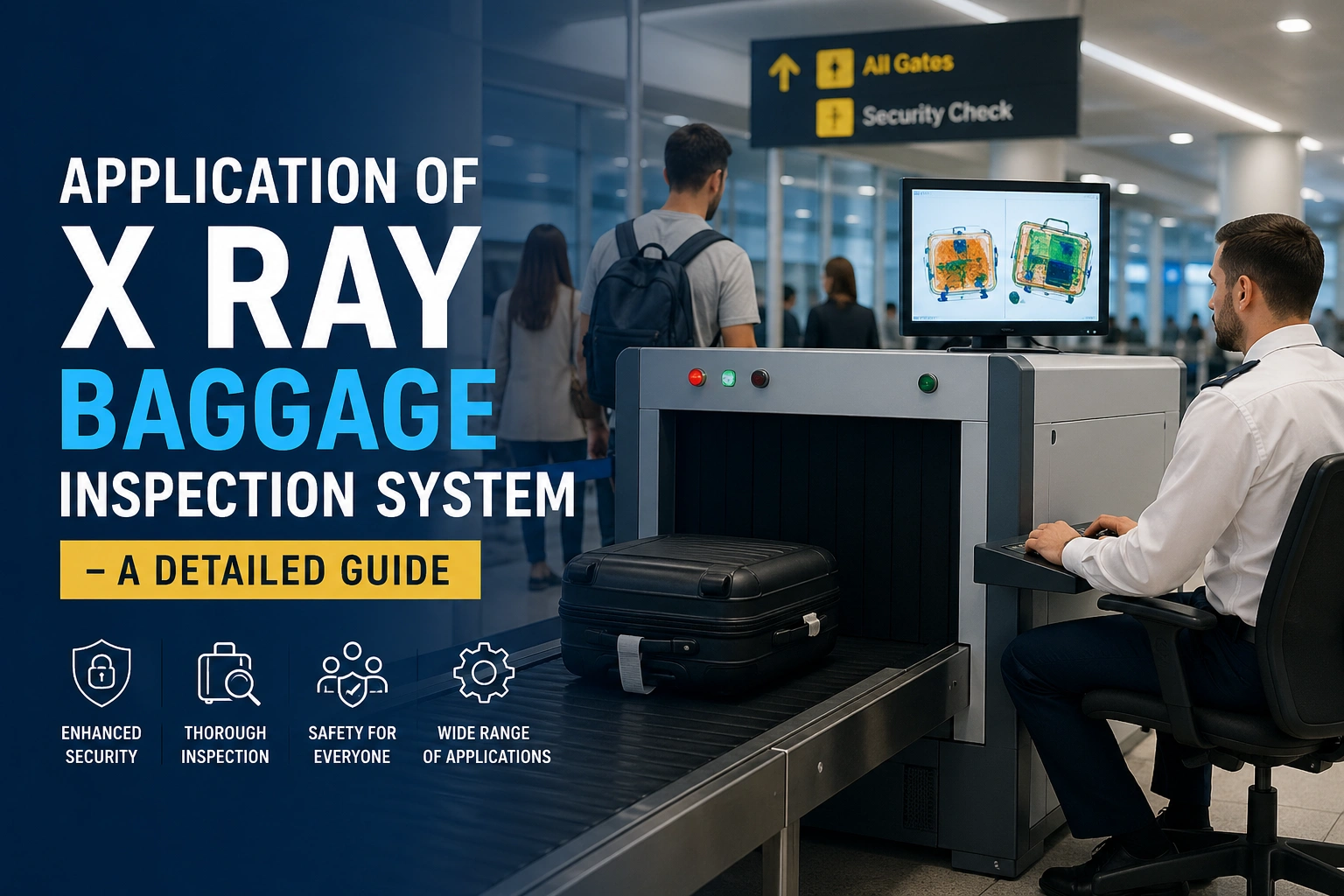
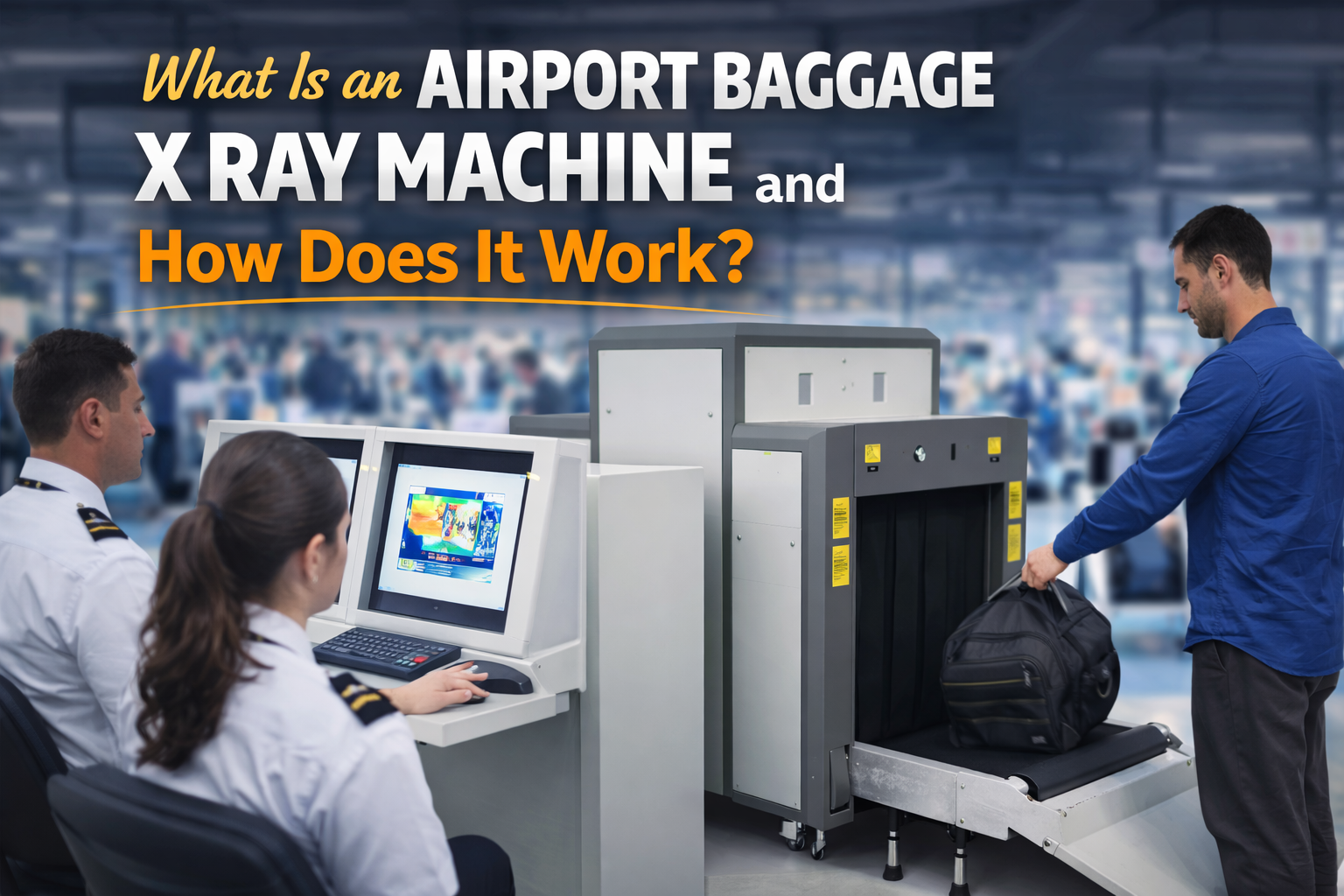
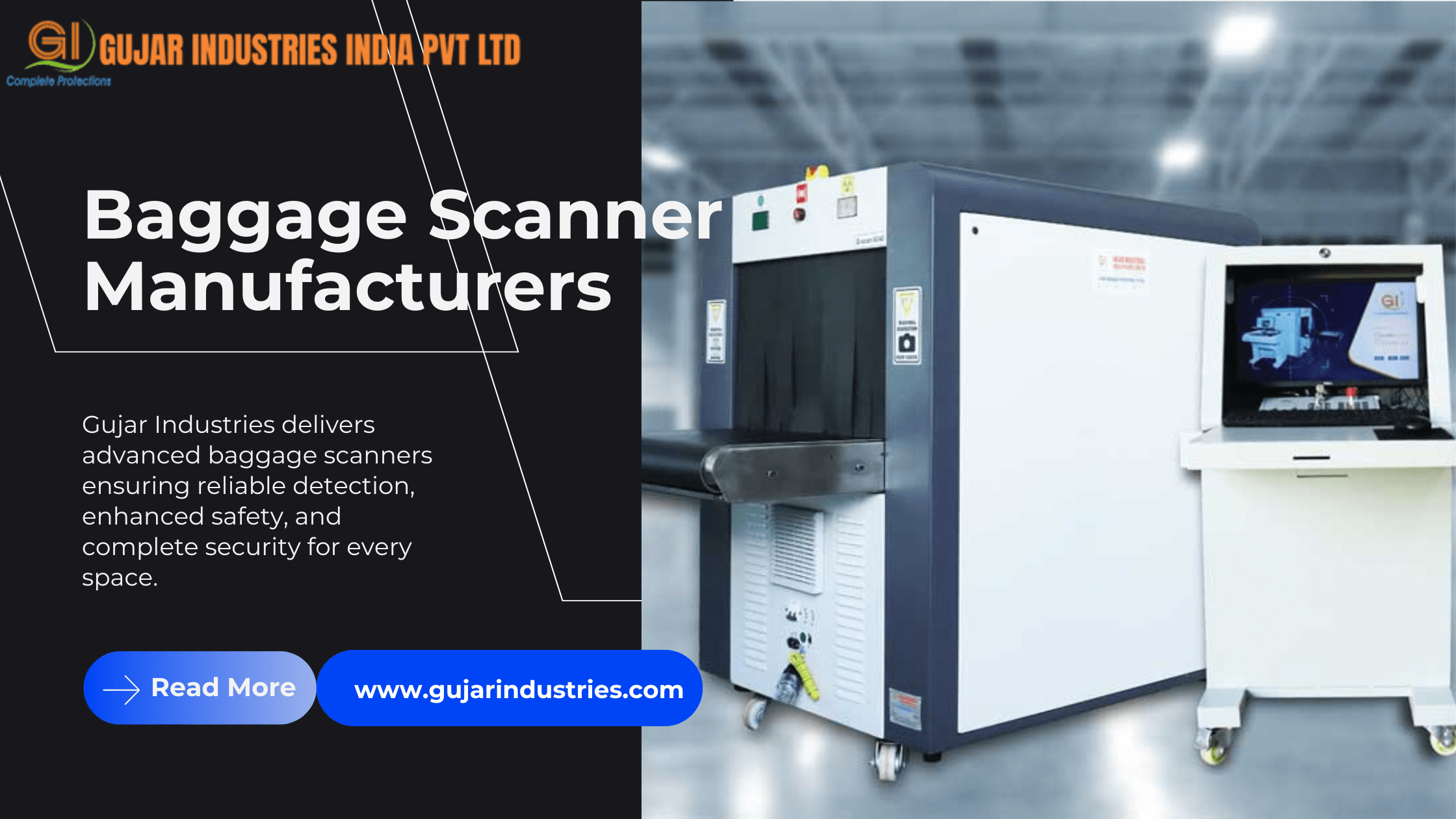
For example, airport and terminal security may use X-ray scanners, metal detectors, explosive detection systems, and other screening technologies to inspect baggage, cargo, and individuals at designated checkpoints. These systems help security personnel identify potentially prohibited or hazardous items before they enter a restricted or controlled area.
While the technologies and methods differ, the underlying purpose is similar: to identify potential threats early and enable an appropriate security response.
How Threat Detection Systems Work
Here is how the system functions:
- Data Collection
The basic idea behind threat detection systems starts with collecting data. For example, sensors, scanners, CCTV cameras, and network monitoring tools constantly collect data from their surroundings. An airport scanner or a CCTV camera in a metro station constantly feeds real-time data into the system.
- Data Analysis
The collected data does not simply stay there. It undergoes an analysis based on rule-based or artificial intelligence-based systems. The basic idea behind these systems is to identify patterns and determine what is normal and what is not.
- Threat Identification
This is the most interesting part. The system analyses the collected data and identifies patterns. If there is anything out of the ordinary, the system identifies it.
For example, an unattended bag, an individual moving in the opposite direction of the crowd, or an unauthenticated login to a network.
- Alert and Response
The moment a threat is identified, the system instantly springs into action. It can trigger alarms, send alerts to security personnel, or even trigger an automated response.
The basic idea behind threat detection systems lies in the fact that it integrates with other systems, like CCTV cameras, access control systems, and security systems, to provide a quick response in critical situations.
Types of Threat Detection Systems
Since different environments call for different security measures, these systems come in different forms. They can even work together to ensure greater security.
Physical Threat Detection Systems
These systems are used in airports. They include metal detectors, X-ray baggage scanners, and explosive detectors. They help to identify potential threats during the scanning process.
Video Surveillance-Based Detection
These systems can be equipped with AI technology to identify people. They can even identify suspicious behaviour. They are used to monitor crowds.
Access Control & Perimeter Security
These systems control access to any building using various means. They can even be equipped with motion sensors. They help to prevent unauthorised access to any building.
Cybersecurity Detection Systems
These systems monitor networks, devices, applications, and user activity to identify potential cyber threats. Unlike physical security systems used at airports and checkpoints, cybersecurity solutions focus on threats within digital environments.
Integrated Detection Systems
These systems can integrate both physical and digital security. They can even be equipped with a dashboard to ensure real-time monitoring. They are used in airports.
Use Cases Across Industries
Different industries demand the implementation of advanced detection systems. In the aviation sector, the systems are required for passenger detection as well as baggage scanning. In the logistics sector, the systems are required for cargo scanning as well as border control.
- In the commercial sector, the systems are required for visitor control as well as access control.
- In the IT sector, the systems are required for network control as well as cybercrime detection.
The Threat Detection System is developed to cater to the demands of both physical and virtual security requirements.
Companies such as Gujar Industries are playing a major role in meeting the requirements of airports as well as industries.
Benefits of Threat Detection Systems
Key benefits include the following:
- Safety and risk prevention
- Real-time monitoring and quick response
- No more dependency on manual security checks
- More accurate with artificial intelligence-based systems
- Available in various scales according to different industries
Can be used in physical security as well as cybersecurity environments
Challenges and Limitations
The common challenges include:
- High installation and maintenance costs
- Privacy issues, especially with surveillance systems
- Possibility of false alarms or false positives
- Difficulty in integration with existing systems
- Need for constant updates and monitoring
Future Trends in Threat Detection
- Advancements in artificial intelligence and machine learning
- Smart airport security systems
- Automation and usage of predictive analysis
- Cloud-based intelligent monitoring systems
- Usage of IoT and smart devices
Conclusion
With the changing security requirements, threat detection systems will be the need of the hour in the future to ensure safety in different industries, especially in airport security and other commercial spaces. Threat Detection Systems will always be a key element in building a safe environment. Being experts in this field, Gujar Industries is offering innovative threat detection systems to meet the ever-increasing needs in airport and industrial security.
Frequently Asked Questions
1. What is the purpose of using threat detection systems?
These systems are used to identify potential security threats.
2. What are the main types of threat detection systems?
These include physical detection systems, surveillance-based systems, access control solutions, and cybersecurity solutions.
3. How do threat detection systems work?
These systems work by gathering data, analysing it using algorithms and/or AI, and raising alarms if suspicious activity is identified.
4. Why are threat detection systems important in airports?
These systems are important in airports because they ensure the safety of passengers by identifying any security threats.
5. Are threat detection systems only used to ensure cybersecurity?
No, these systems can be used in physical security environments.