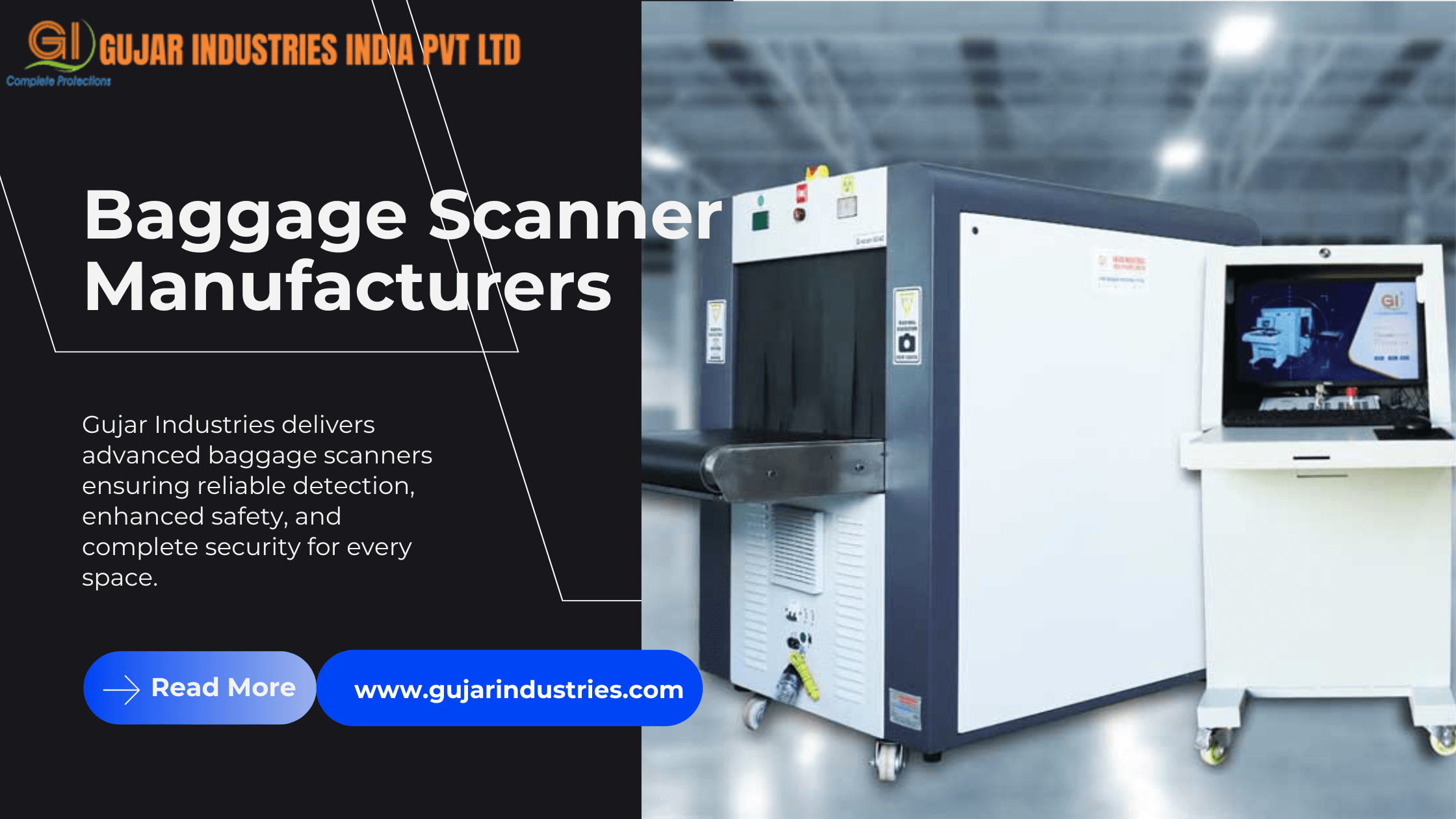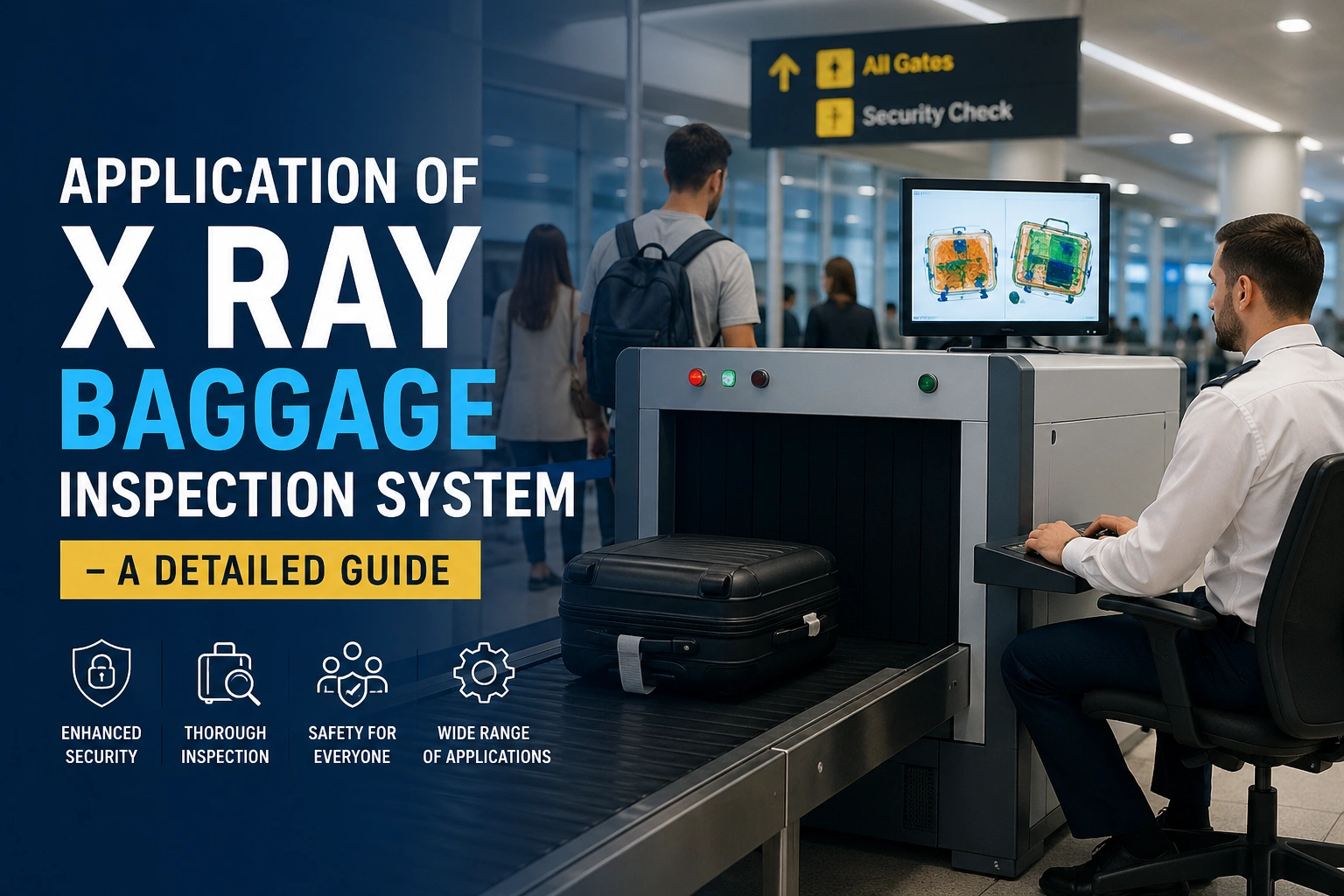
Security in today’s world is not restricted only to airports anymore. An X Ray Baggage Inspection System is being used extensively in malls, factories, offices, and other locations, wherever bag checking is critical. This ensures speedy and efficient bag screening without needing to open them.
As risks increase, businesses are investing more in advanced technology-based solutions for their screening needs. However, not all locations use these machines in a similar fashion. Let’s discuss different applications of these inspection machines.
Quick Facts
Do you know the facts below?
- Commonly deployed at airports, metro stations, government buildings, malls, and large offices for routine security screening
- Actual scanning capacity varies by model and operator, but many systems can handle several hundred to over 1,000 bags per day in busy environments
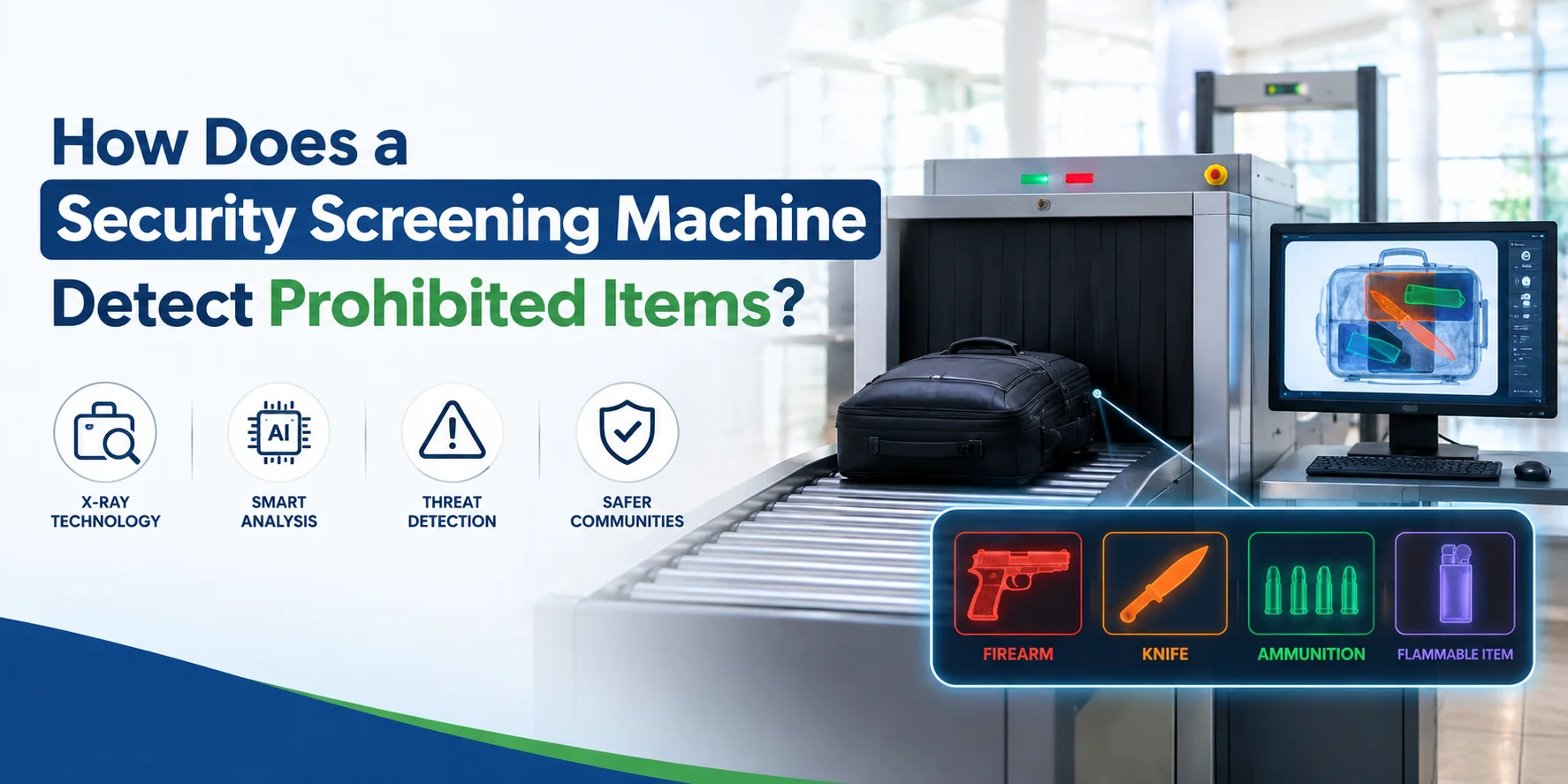
- Use dual-energy X-ray technology to differentiate materials (organic, inorganic, metal), helping operators identify suspicious contents
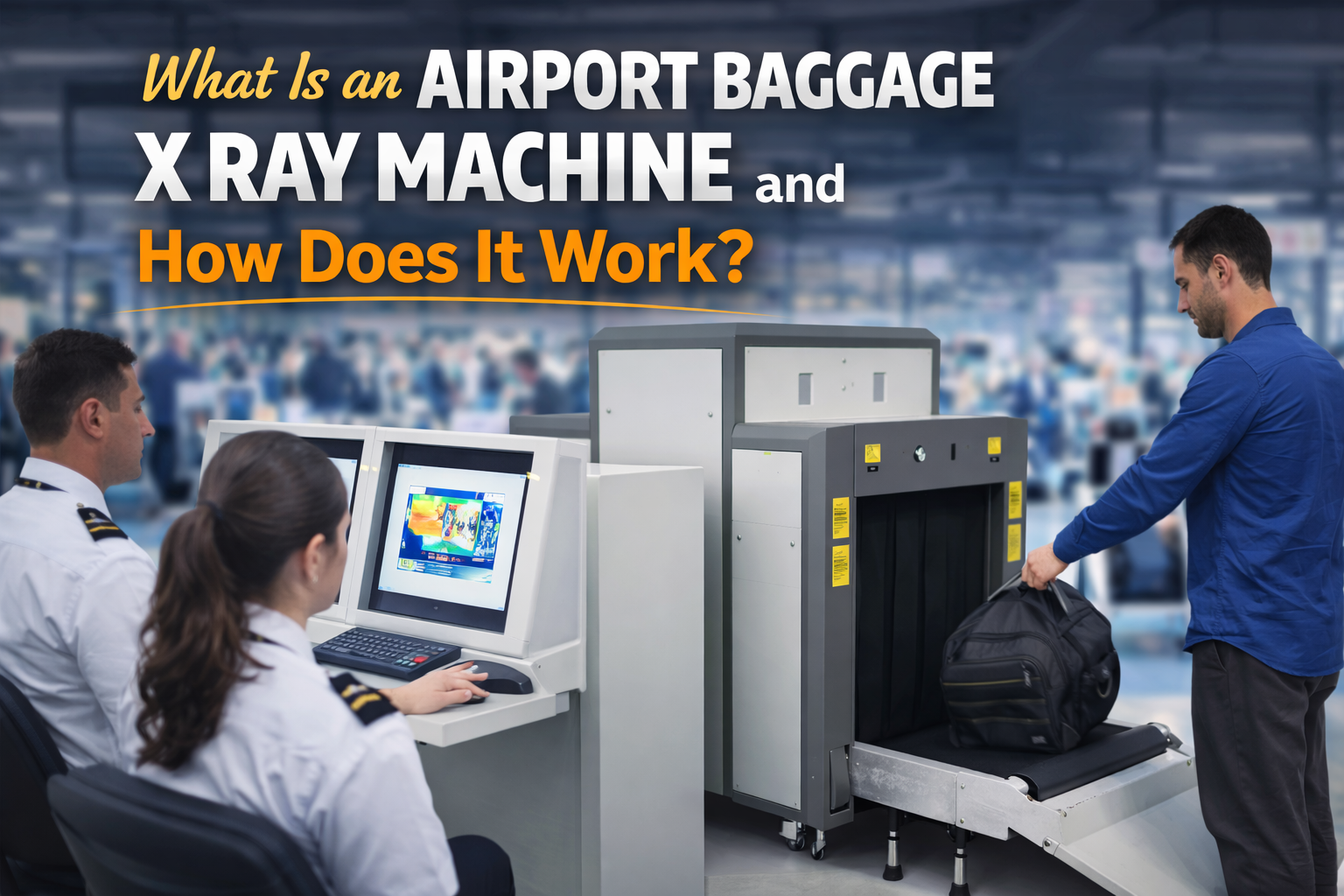
- Detection depends on trained operators—machines assist in spotting threats, but human judgment is still critical
- Now widely used beyond airports, especially in public venues and high-traffic facilities for preventive security checks
How These X Ray Baggage Inspection Systems Are Used
Talking in terms of industries alone doesn’t always make sense. Instead, we should look into different ways in which they can be used regularly.
- Screening of bags at the entrance points
- Blocking any dangerous objects from entering the premises
- Preventing any theft incidents within the factories
- Safe crowd management in different locations
Malls may use them for screening visitors fast, while a warehouse can use them for monitoring outgoings. Same machine, different purpose!
Diverse Applications of X Ray Baggage Inspection Systems
1. At Highly Sensitive Locations
High sensitivity means that there will be maximum checks in place, and the aim will be to screen passengers’ bags to avoid any dangerous objects inside them, like bombs, weapons, or anything else.
Examples: Airports, government institutions, embassies, courts
2. For Large Crowd Management
With thousands of people trying to enter such places, manual bag checks will create major bottlenecks. Machines help to check bags faster without creating any traffic problems.
Examples: Shopping malls, metro stations, railway stations
3. For Factories and Warehouses
Factories require security machines to prevent theft.
- Theft prevention from materials used in factories
- Checking outgoings
- Enhanced screening of employees as well
This works best for factories producing electronics and pharmaceutical products.
4. For Cargo or Transportation
Parcels and cargo move fast, and scanning is essential to ensure that nothing harmful is moved anywhere through these parcels or shipments.
Examples: Cargo handling locations, logistics, courier facilities
5. For Event Setup
In such locations, security machines must be portable and flexible enough to be deployed quickly.
Examples: Exhibition venues, concerts, stadiums, trade fairs, etc.
Difference Between Different Locations & Systems Used
Since every location has its own requirements, the choice of machine also varies accordingly.
Location Types | Requirement | Suitable Machines |
Airports / Government Offices | Highest Threat Level | Large Machines / High-speed ones |
Malls / Metro Stations | Crowd Flow | Mid-range speed |
Factories / Warehouses | Theft Prevention | Mid-range Inspection |
Logistic / Cargo Handling | Outgoing parcel checks | Large Machines |
Offices / Small Entry Gates | General Screening | Compact Models |
Common Misconceptions That Businesses Have
Business owners tend to get carried away when buying a new machine due to different factors.
- Buy an unnecessarily bulky machine
- Never take daily screening capacity into account
- Plans are never considered
- Lack of proper guidelines in purchasing
Gujar Industries assists in choosing the most appropriate machine.
Choosing a Machine Depending on Usage
The type of machine that needs to be chosen depends on usage requirements.
- With heavy traffic, go for high-speed machines, G-SCAN 7560
- For factories, choose those focusing on theft prevention, G-SCAN 6550
- If there is cargo movement, go for high-capacity systems like G-SCAN 6550 & G-SCAN 7560
- Small offices can opt for compact systems like G-SCAN 5030 & G-SCAN 6040
Gujar Industries offers X-ray baggage inspection system solutions in models like G-SCAN 5030, G-SCAN 6040, G-SCAN 6550, and G-SCAN 7560.
Why They are Required Nowadays?
Today’s businesses require better solutions than manually inspecting bags.
- Faster than manual inspections
- Very accurate
- Ensures higher security levels
- Time-saving & manpower saving
Even a few seconds saved on every bag adds up with increasing numbers.
How Much Does It Cost to Buy One?
Costs involved in acquiring X Ray Baggage Inspection System in India range between ₹4 Lakh to ₹20 Lakh or more, depending on machine model.
- Small-sized Machines – ₹4 to 8 lakh
- Mid-Sized Machines – ₹8 to 15 lakh
- High-End Machines – ₹15 lakh+
Contact Gujar Industries to know more about exact prices.
Conclusion
An X Ray Baggage Inspection System finds applications in many different places based on their requirements and usage patterns rather than the industry in which they operate. The choice of machine will vary based on expected daily traffic, availability of space, etc. Working with companies like Gujar Industries helps in selecting the right kind of machine.
Frequently Asked Questions
These inspection machines are used in airports, shopping malls, factories, offices, and logistics facilities among others.
Yes, there are models designed for small-scale applications.
Every location requires a specific kind of machine based on its requirements, crowd volume, and sensitivity.
Yes, these machines are designed and manufactured keeping safety in mind for regular commercial usage.
Depending on different factors, these machines can scan around 1000+ bags per day.